The first quarter of 2026 has been busier on the closure side than any Q1 since the pandemic. That's the headline number. The more useful read, though, is in the pattern: which formats are pulling back, which geographies are absorbing the losses, and what's quietly moving into the freed-up real estate.
This tracker is based on closure announcements through early March and conversations with operators, brokers, and mall REIT analysts. None of the data here is comprehensive - retailers don't announce closures on a synchronized calendar - but the directional pattern is consistent across the operators we've spoken to.
The shape of the closure wave
The 2026 closure wave is structurally different from previous waves in three ways.
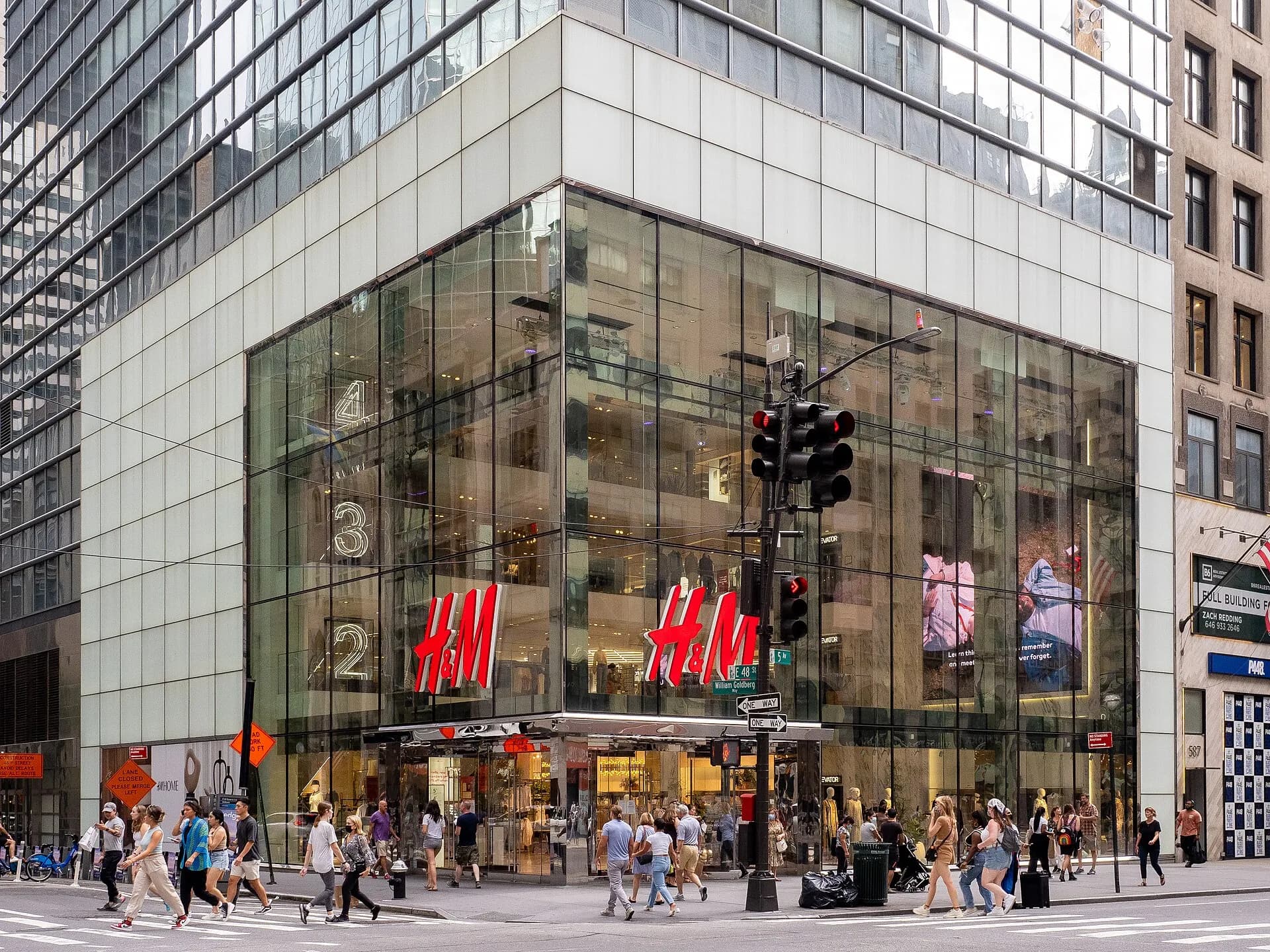
First, mid-market apparel is still bleeding, but it's not the lead story anymore. The chains most exposed to the bottom-of-the-mall positioning kept closing through 2024 and 2025, and the worst of the consolidation is now behind them. The remaining mid-market apparel closures in Q1 2026 look more like portfolio pruning than survival mode.
Second, drug stores are the new lead story. The two major national drug chains have together announced hundreds of closures over the past 18 months, and Q1 2026 saw another tranche. The economics of the small-box drug format have not worked since front-of-store sales collapsed during and after the pandemic. The pharmacy counter still works; everything else in the box doesn't.
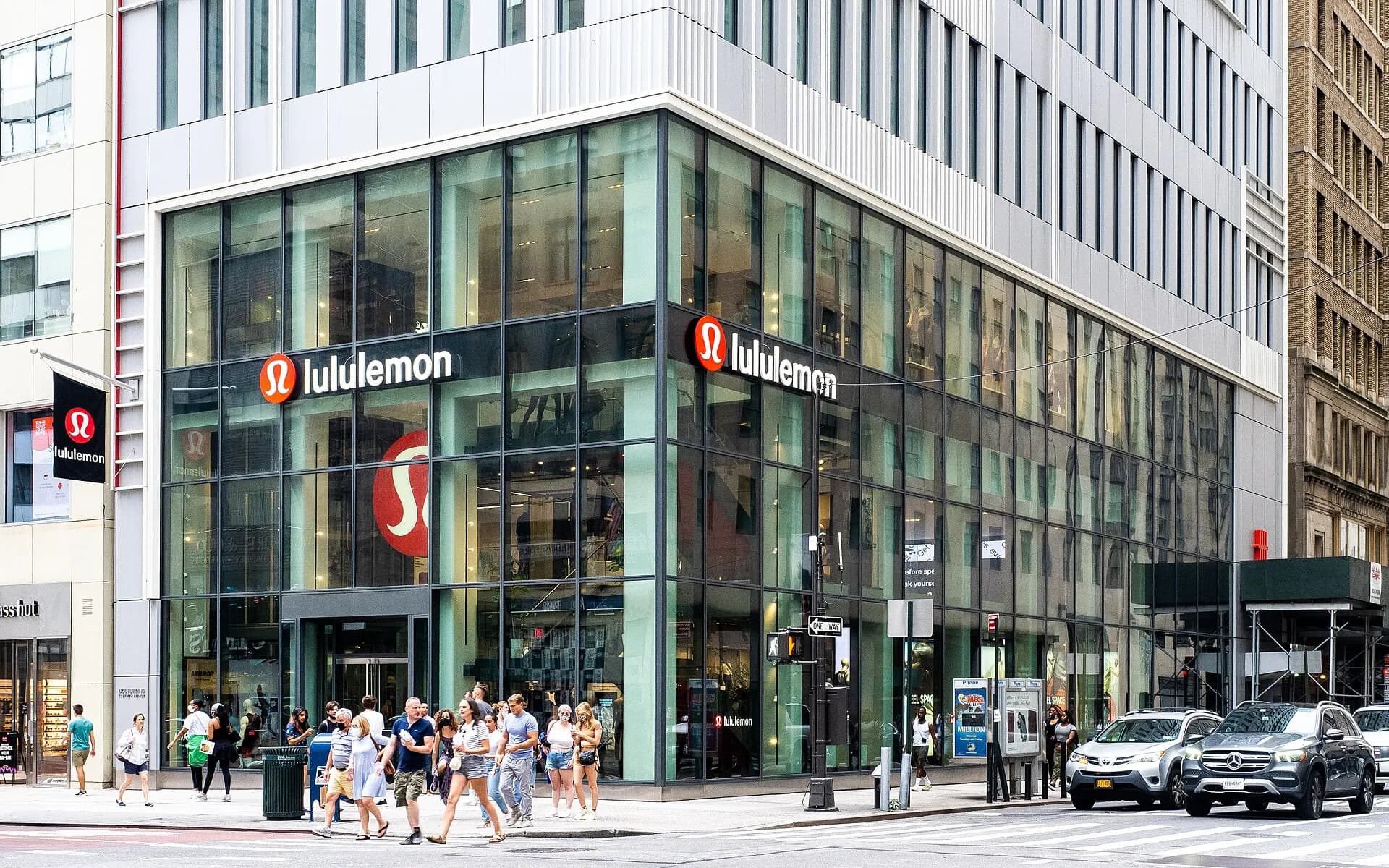
Third, specialty fitness and certain DTC darlings are quietly retrenching. Several DTC brands that aggressively opened physical doors in 2022-2024 are now pulling out of the secondary markets they entered. The pattern is consistent: they kept the top 8-15 stores, closed the rest, and refocused on wholesale or digital. Operators we spoke to estimate the DTC fleet contraction is in the 25-45% range across the cohort that opened aggressively post-2022.
Geography: who's absorbing the losses
The closure footprint is not evenly distributed. Three regional patterns stand out.
- Tier-one urban cores are stabilizing. After three years of headline departures from Manhattan, downtown San Francisco, and downtown Chicago, the closure rate in these markets has actually slowed in Q1. The boxes that were going to close mostly have. The remaining tenants are operators who figured out how to make the urban economics work.
- Sun Belt secondary markets are still net-positive. Phoenix, the Carolinas, Tampa, Nashville, and the Texas triangle continue to absorb more openings than closures, particularly in grocery, off-price, and quick-service food.
- Midwestern and Appalachian small markets are the soft underbelly. Towns in the 30,000-150,000 population band are losing tenants at the fastest rate, and replacement is thin. Several mall REITs we've talked to are quietly writing down their secondary-market portfolios.
A real estate director at a national off-price chain put it simply: "Our pipeline for 2026 is 75% Sun Belt and 25% in-fill in markets we already own. We're not opening in any town under 100,000 unless we already have a footprint there."
What's moving into the empty boxes
The more interesting story is on the replacement side. Empty boxes are being absorbed at meaningfully different rates depending on size and location.
- Junior anchors (15,000-30,000 sq ft). Being absorbed by off-price, fitness (the big-box variety, not the boutique kind), discount grocery, and a wave of category-killer entertainment concepts (axe throwing, pickleball, e-sports). Vacancy rates in this band are actually below their 2019 levels in many Sun Belt markets.
- Anchors (60,000+ sq ft). This is where the pain is. Department store boxes that emptied in 2018-2022 are still partly vacant. Some have been redeveloped into mixed-use or medical, but the conversion economics are punishing.
- Inline small shops (under 5,000 sq ft). Being absorbed by a mix of food, services (medical, nail, brow), and a quiet but persistent wave of new-format specialty retail - the small-format flagship trend is real and it's filling these boxes.
What this means for operators
A few practical observations from the operators we've talked to:
- The closure cycle is not a crisis, it's a reallocation. Most of the boxes closing in 2026 are being absorbed by tenants with better unit economics in those locations. The aggregate retail footprint is shrinking, but the productive footprint may not be.
- Secondary markets are the new operational risk. If your fleet is concentrated in markets under 100,000 population, you should be modeling a 10-20% organic traffic decline over the next five years regardless of your operational excellence.
- Drug store closures are creating an underappreciated opportunity for grocery and off-price. The small-box drug footprint is in good urban and suburban locations with established consumer routines. Several grocers are quietly negotiating for these boxes.
The 2026 closure list isn't a story about retail dying. It's a story about retail finally finishing the realignment that started in 2018. The chains that figured out their format-by-market math are taking share. The ones that didn't are reading the closure list - or appearing on it.