The phase of press releases is over. Between 2022 and 2024, dozens of US retailers and their tier-one suppliers announced moves to Monterrey, Saltillo, Guanajuato and the Bajío corridor. Many of those announcements have since translated into industrial parks broken ground but not yet running at planned capacity. The second wave - the one happening now - looks different. It is slower, more selective, and run by people who have already been burned once.
Sourcing leads we spoke to describe a clear shift in posture. The early movers chased the headline savings - proximity, tariff buffer against China, faster replenishment cycles. The current cohort is running landed-cost models that include things the first wave underweighted: power reliability, water access, security premiums on trucking lanes, and the cost of training a workforce that, in many of the new corridors, has never assembled what they are now being asked to assemble.
What changed between wave one and wave two
The most cited reasons for the pause:
- Industrial electricity availability. CFE interconnection queues in Nuevo León and parts of the Bajío are now measured in years for new heavy-load tenants. Retailers backing apparel or light-electronics suppliers have run into hard ceilings on what those suppliers can scale to without a private generation arrangement.
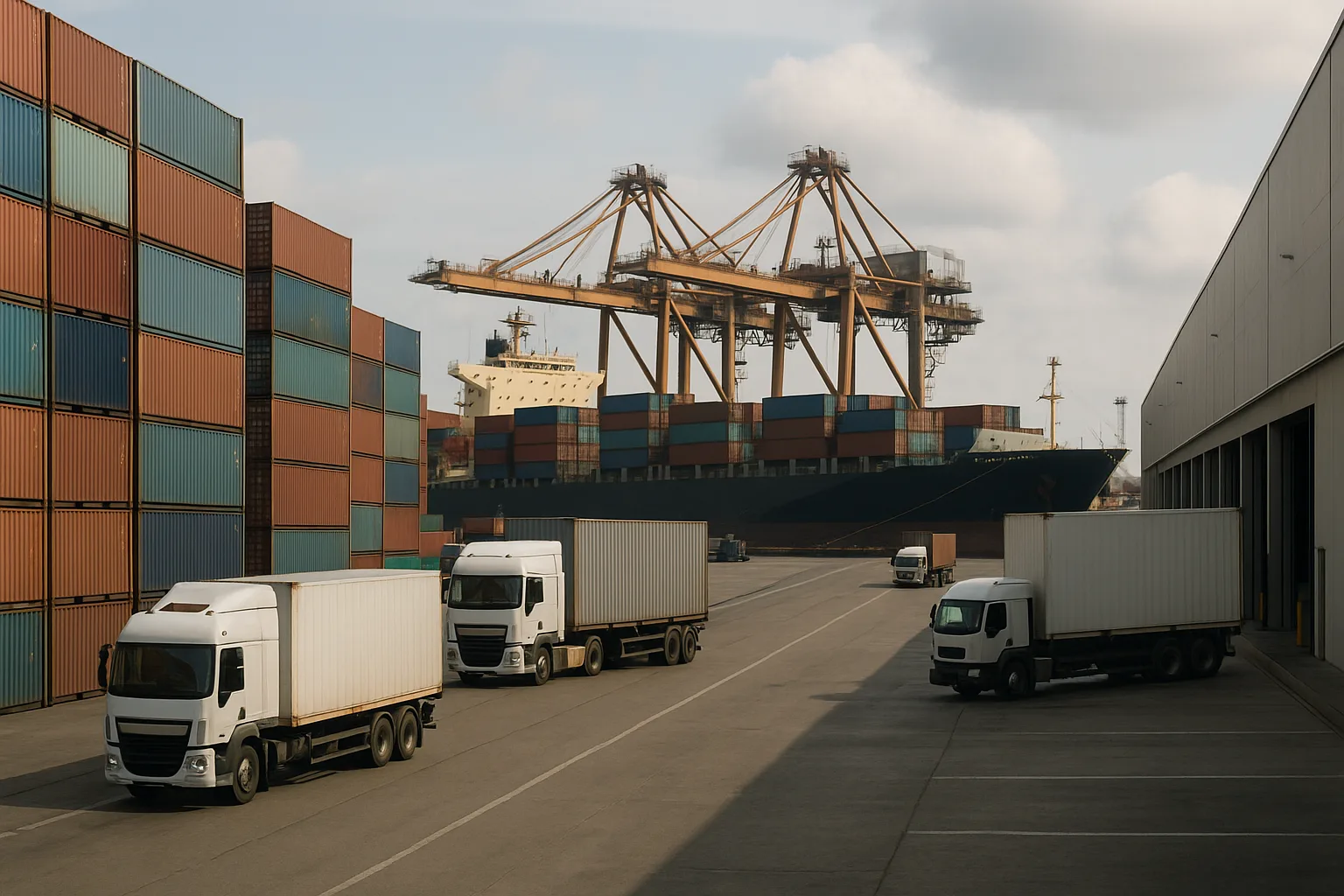
- Trucking and border throughput. Laredo remains the chokepoint it was in 2023. Expanded customs hours and the Colombia bridge have helped on the margin, but a VP of supply chain at a mid-market home goods brand told us their average border dwell time on inbound finished goods is still running 30 to 50 percent above the 2019 baseline.
- Labor cost convergence. Fully-loaded labor in the most desirable Bajío clusters has risen meaningfully - several sourcing leads put it in the range of 40 to 70 percent above 2021 levels once you include retention bonuses, transport stipends, and the cost of poaching trained workers from neighboring plants. Mexico is still well below US labor, but the gap to coastal China is narrower than the first-wave business cases assumed.
- Security overhead. Insurance and private-escort costs on certain lanes - particularly into and out of Michoacán and parts of Tamaulipas - are now line items that sourcing teams budget explicitly. Two years ago they were footnotes.
None of these are deal-breakers in isolation. Together they have forced a re-underwriting of nearshoring business cases that were built on optimistic 2022 inputs.
Who is still moving, and how
The retailers still actively expanding in Mexico in 2026 tend to share three characteristics. They are sourcing categories where speed-to-shelf is genuinely worth a premium - fast-turn apparel, seasonal home, certain promotional categories. They are partnering with established Mexican or Asian-Mexican contract manufacturers rather than building greenfield. And they are signing longer, more structured offtake agreements - five to seven years is increasingly the floor - to give suppliers the visibility needed to invest in their own capacity expansions.
What we are not seeing much of: pure-play relocation of basic apparel programs out of Bangladesh or Vietnam into Mexico. The math, in most categories we have heard discussed, does not work for replenishment basics. It works for the top of the assortment, where margin and reactivity matter more than unit cost.
The IMMEX question
Sourcing executives we have spoken to are also watching the IMMEX program closely. Adjustments over the past year - particularly around what qualifies as transformation and how textile inputs are treated - have introduced a layer of regulatory uncertainty that the first wave did not have to manage. A sourcing director at a US specialty retailer described the current posture as "we are not pulling back, but we are not signing anything that depends on the rules looking the same in 2028."
That caution is the defining feature of the second wave. The headline opportunity - a manufacturing base inside USMCA, two days from the Texas border - has not gone away. But the operators going in now are doing so with smaller initial commitments, longer-dated contracts with their suppliers, and a much more honest accounting of the costs that the announcements of 2022 and 2023 quietly omitted.
The retailers who will look smart in 2028 are probably not the ones with the biggest press releases this year. They are the ones who, right now, are spending their time on power purchase agreements, driver retention programs at their 3PLs, and the unglamorous work of making a second-tier corridor actually function.