There is a version of the beauty industry that consumers see, made of brand names, founder stories, and hero ingredients. Underneath it sits a much smaller number of companies that actually formulate and fill the products, and that layer is where the real economics of the category live.
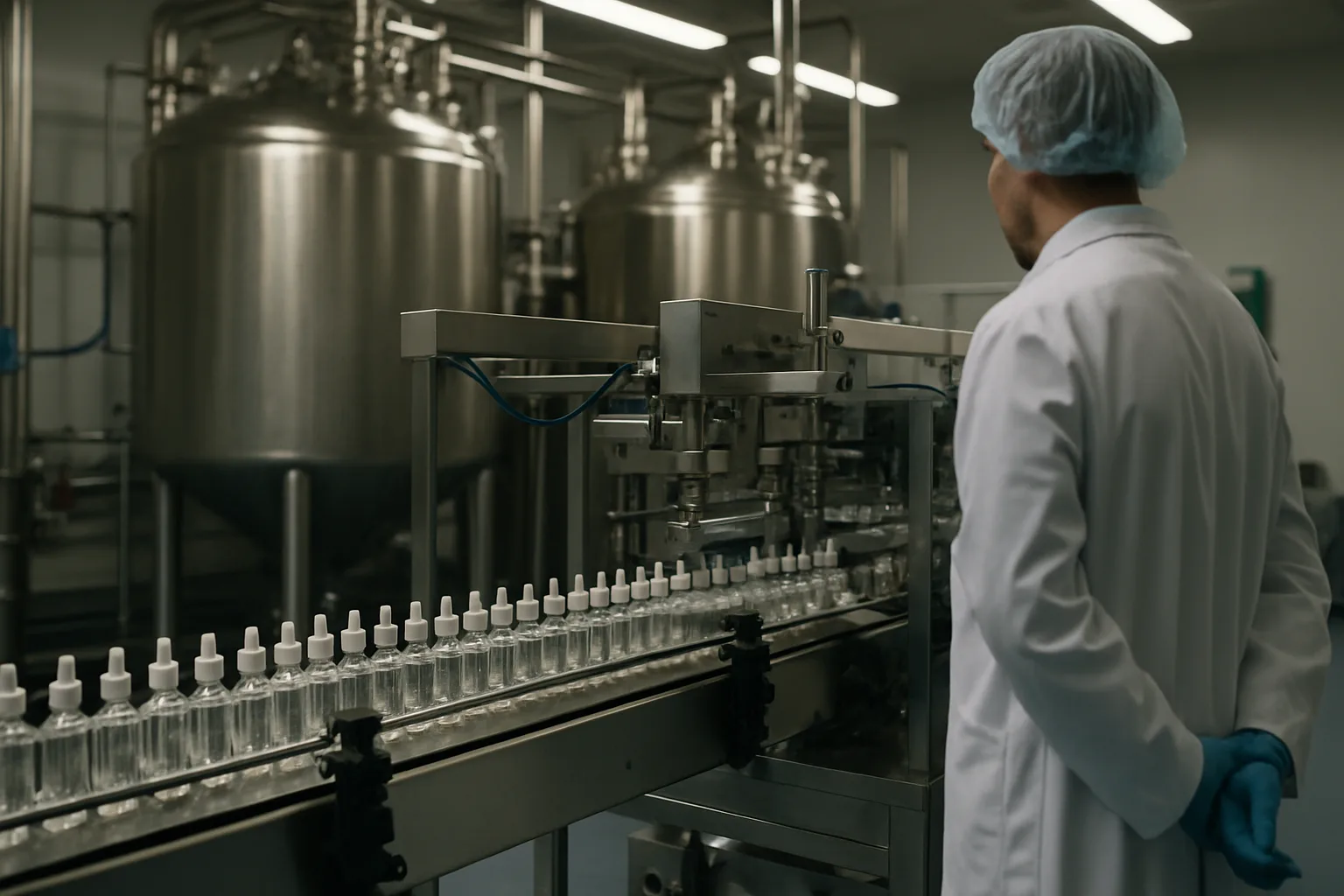
Contract manufacturers, private-label formulators, and packaging fillers do the physical work of beauty. A large share of the brands on a Sephora shelf, an Ulta endcap, or a Target beauty aisle do not own a factory. They own a formula brief, a brand, and a marketing budget, and they contract the production to a manufacturer that may be running lines for a dozen competing brands in the same building.
The margin math this creates
The gap between what a beauty product costs to make and what it sells for is the widest in mainstream consumer goods. A facial serum with a manufactured cost in the low single-digit dollars can retail for 40, 60, or over 100 dollars. The difference is not primarily ingredients. It is brand, packaging, distribution, and the marketing needed to justify the price.
This is not a scandal, it is the structure. But it has two consequences that are now reshaping retail.
First, it means the barrier to launching a beauty brand is marketing, not manufacturing. A contract manufacturer will take a small order, formulate to a brief, and fill it. That is why the number of beauty brands has exploded and why retail buyers are drowning in indie submissions. Supply is effectively unconstrained.
Second, it means the "dupe" is not a copy in the pejorative sense. It is frequently the same category of formulation produced by the same tier of manufacturer, sold at a different price with a different label. When a mass-market serum performs comparably to a prestige one in a blind test, the reason is usually that the formulation science is not proprietary and the manufacturing base is shared.
Why retailers are moving in
The most important development in this layer is that retailers themselves have noticed the margin. If a contract manufacturer will produce a quality serum for a few dollars, and the brand markup is where the value is captured, the retailer with the shelf and the customer relationship is well positioned to capture that markup directly.
That is the logic behind the expansion of retailer own-brand beauty. A retailer that controls distribution and demand can commission a private-label line from the same manufacturing base the national brands use, price it below them, and keep the margin that would otherwise go to a brand's marketing organization. The own-brand does not need to win a beauty-counter beauty contest. It needs to sit next to the national brand at 30 percent less and be good enough.
This is the same playbook grocery ran with private-label food and that apparel ran with retailer house brands. Beauty resisted it longer because the category sells aspiration, and aspiration is hard to private-label. That resistance is weakening as consumers, armed with ingredient lists and dupe culture, become more skeptical that the prestige markup buys them anything in the bottle.
The constraint is not production, it is trust
If manufacturing is unconstrained and retailers can commission private-label at will, the scarce resource shifts to trust and formulation credibility. The brands that survive are the ones that can convince a consumer the markup buys something real, whether that is genuine formulation innovation, a supply chain claim that holds up, or a brand relationship strong enough to resist the dupe.
For the contract manufacturers, this is a good position to be in. They sell to the national brands, to the indie entrants, and increasingly to the retailers building own-brand lines. Whoever wins the shelf, the manufacturer fills the bottle. It is the classic picks-and-shovels position, and it is why the supply side of a beauty trade show is more informative about the industry's direction than the finished-goods side that gets the attention.
What to watch
The signal to watch is own-brand share. As retailers expand private-label beauty and consumers keep normalizing the dupe, the pressure on mid-tier brands, the ones whose only asset is a price premium they can no longer defend, will intensify. The prestige top and the private-label value tier both have a defensible story. The squeezed middle, brands charging a premium without either a genuine innovation or a retailer's cost advantage, is where the contraction will land.
The manufacturing base will be fine either way. It always is.