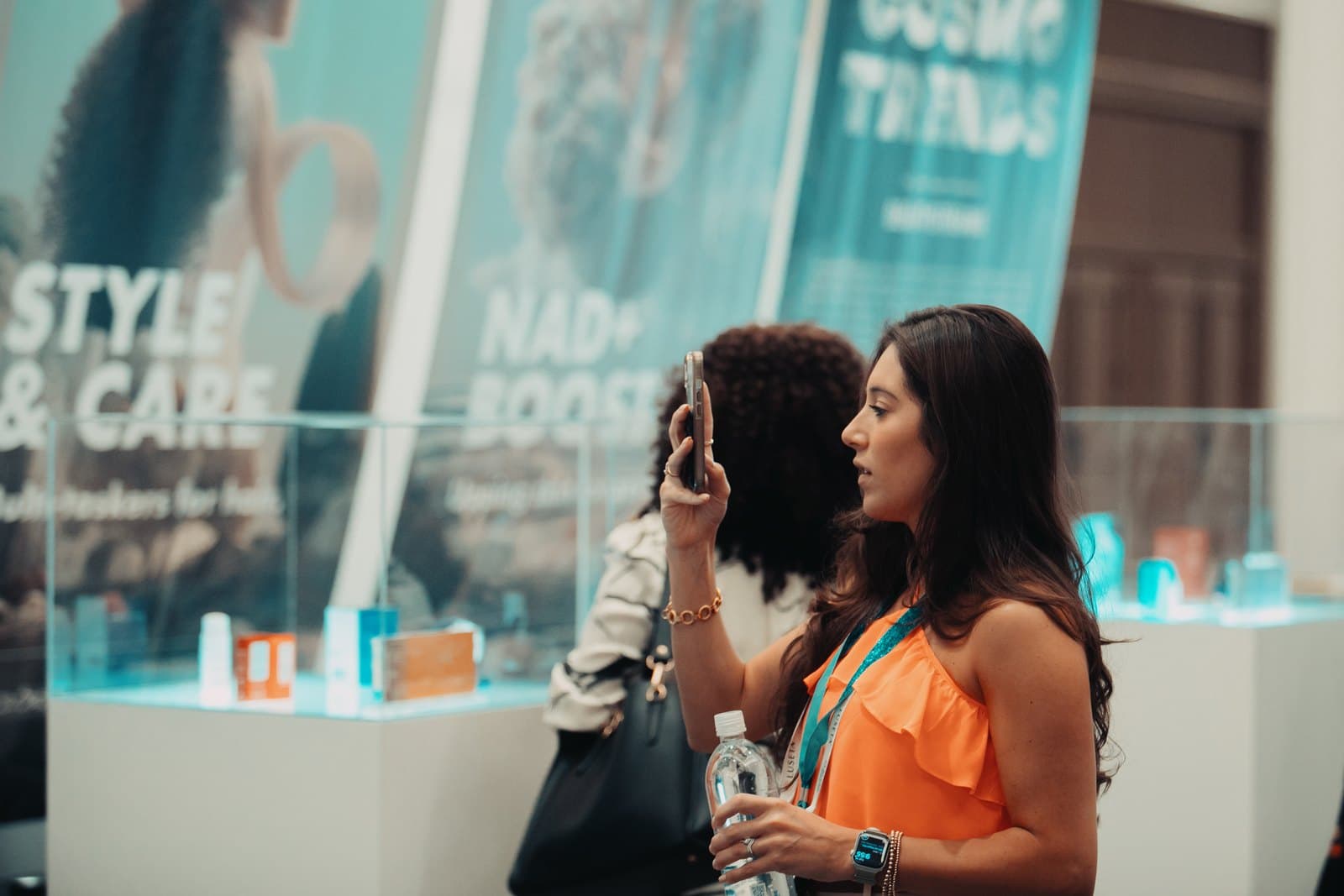
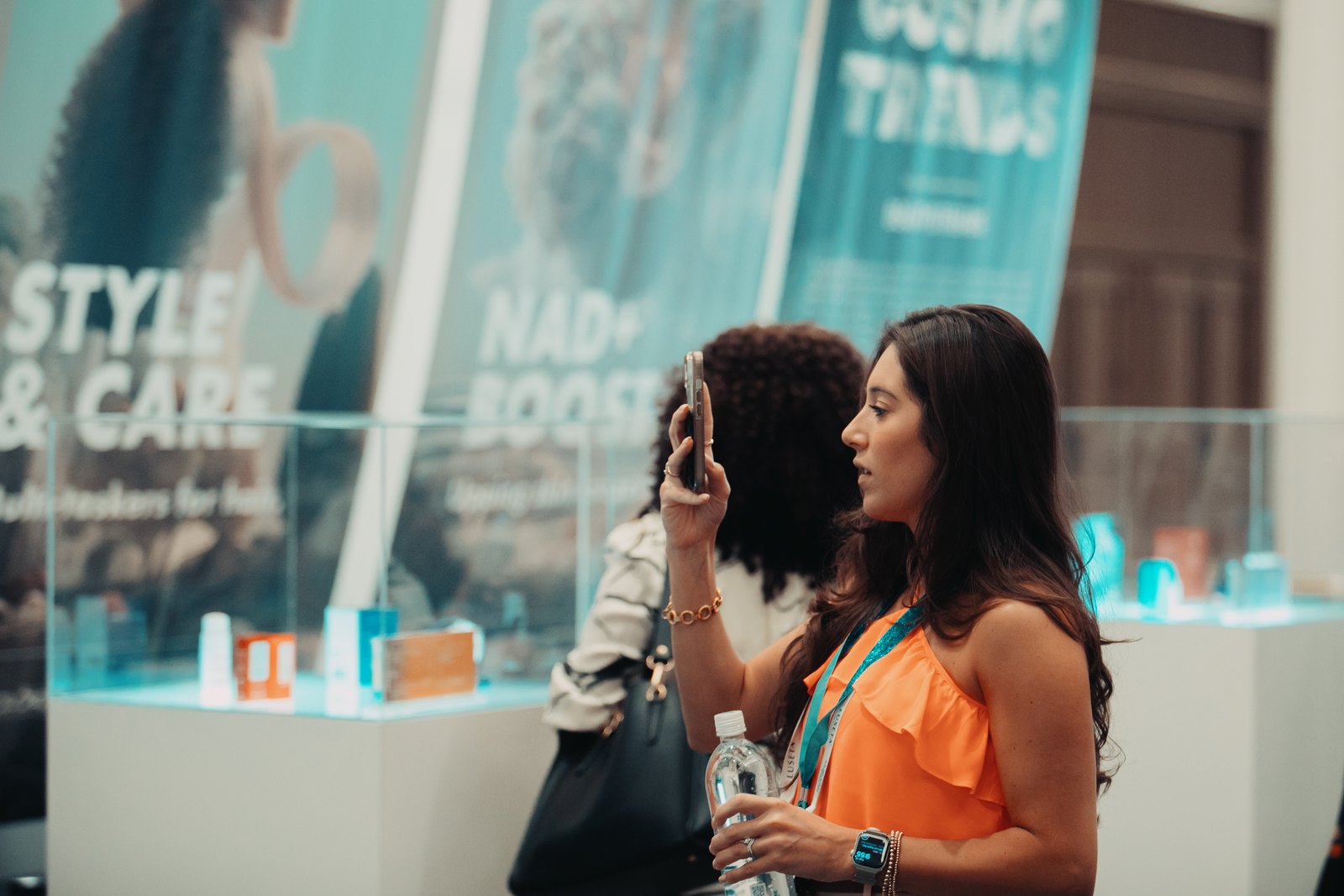
LAS VEGAS. The fourth CosmoTrends direction from Cosmoprof North America is the least glamorous of the five and probably the most immediately actionable: Style & Care, subtitled multi-taskers for hair.
The premise is that hair styling products are being reformulated to treat the hair while they style it, so that the styling step stops being the part of the routine that undoes the treatment step. BEAUTYSTREAMS frames it as category convergence, its own reading of where beauty is heading between 2026 and 2029, with consumers expecting several benefits from a single product and far simpler routines.
The market frame in the report: global hair styling valued at 10.04 billion dollars in 2026, rising to 12.47 billion by 2031 at a compound rate of 4.43 percent, on Mordor Intelligence figures. Modest growth in aggregate, which is exactly why the mix matters more than the total.
The end of the trade-off
For most of the category's history, styling and care were opposed. Hold came from resins and alcohol, and the price was dryness. Shine came from silicones, and the price was buildup. Consumers understood the deal and accepted it, because there was no alternative.
The products in the showcase are all attempts to break that trade-off rather than to win the old argument. MNQA, from Kuwait, brought a leave-in that works on the cuticle layer to smooth and seal, with film formers doing the aesthetic work and UV filters added on top. Bephor, from South Korea, an oil blend reviving mist. SKYBOTTLE, also Korean, a perfumed silky hair spray positioned around damage care, which puts fragrance and repair in the same bottle. Be Care Love Believe, from the United States, a volumizing mousse. Curl Keeper, from Canada, a volumizing foam. HUFS, from Norway, a foam of its own.
The ingredient list the report highlights for the category tells the same story: hydrolyzed plant proteins, copper peptides and botanical extracts. Copper peptides are a skincare active. They are now in styling foam.
Croda Beauty, quoted in the report, put the brief plainly: hair products for 2026 should be multifunctional and low maintenance, offering versatility, cost efficiency and efficacious performance with minimal effort.
Why this is a shelf story, not a formula story
Convergence has a specific retail consequence: it shrinks the number of products a household buys while raising what each one is worth.
A consumer running a five-step routine with a cheap styling product at the end is a consumer who can be persuaded to run a three-step routine with an expensive one. That is better for the brand that owns the multi-tasker and worse for everyone whose SKU existed only because the routine had five slots. Single-benefit styling products, the ones whose entire reason to exist is hold or shine, are the obvious casualty.
For a retailer it also complicates planograms that have been stable for twenty years. If a mousse carries a treatment claim, does it sit in styling or in treatment? The honest answer is that it should sit in whichever aisle the shopper is standing in when they decide, which is an argument for duplication, and duplication is expensive.
The claim risk nobody is pricing
There is a quieter problem here. A styling product that claims to repair, strengthen or protect has taken on a performance claim it now has to substantiate, in a category with no tradition of doing so. Nobody ever asked a hairspray for a clinical dossier.
The brands that have anticipated this arrived in Las Vegas with instrumental data on breakage and cuticle alignment. Most did not, and are relying on ingredient names to imply an outcome. The first retailer to apply the substantiation standard it uses for skincare to a styling shelf will find that a lot of the category cannot pass it.
What to watch
Curl care remains the fastest way to read this trend, because curly and coily hair routines have always been the ones with the most steps and therefore the most to gain from collapsing them. Watch whether the multi-taskers actually reduce the number of products in those routines, or simply get added on top. If the routine gets shorter, convergence is real. If it gets longer, this was a marketing cycle with a good name.
Read our full report from the show: Cosmoprof North America 2026, where the beauty trade stopped paying for novelty.