The biggest sale in the world ended on Wednesday night with a number nobody in the industry wanted to own. Sales across China's major e-commerce platforms during the Singles' Day season, which ran from October 7 to November 11, rose 4.8% to 1.78 trillion yuan, about $267 billion, according to the data provider Syntun, as reported by Reuters. Last year the same estimate grew 14.2%.
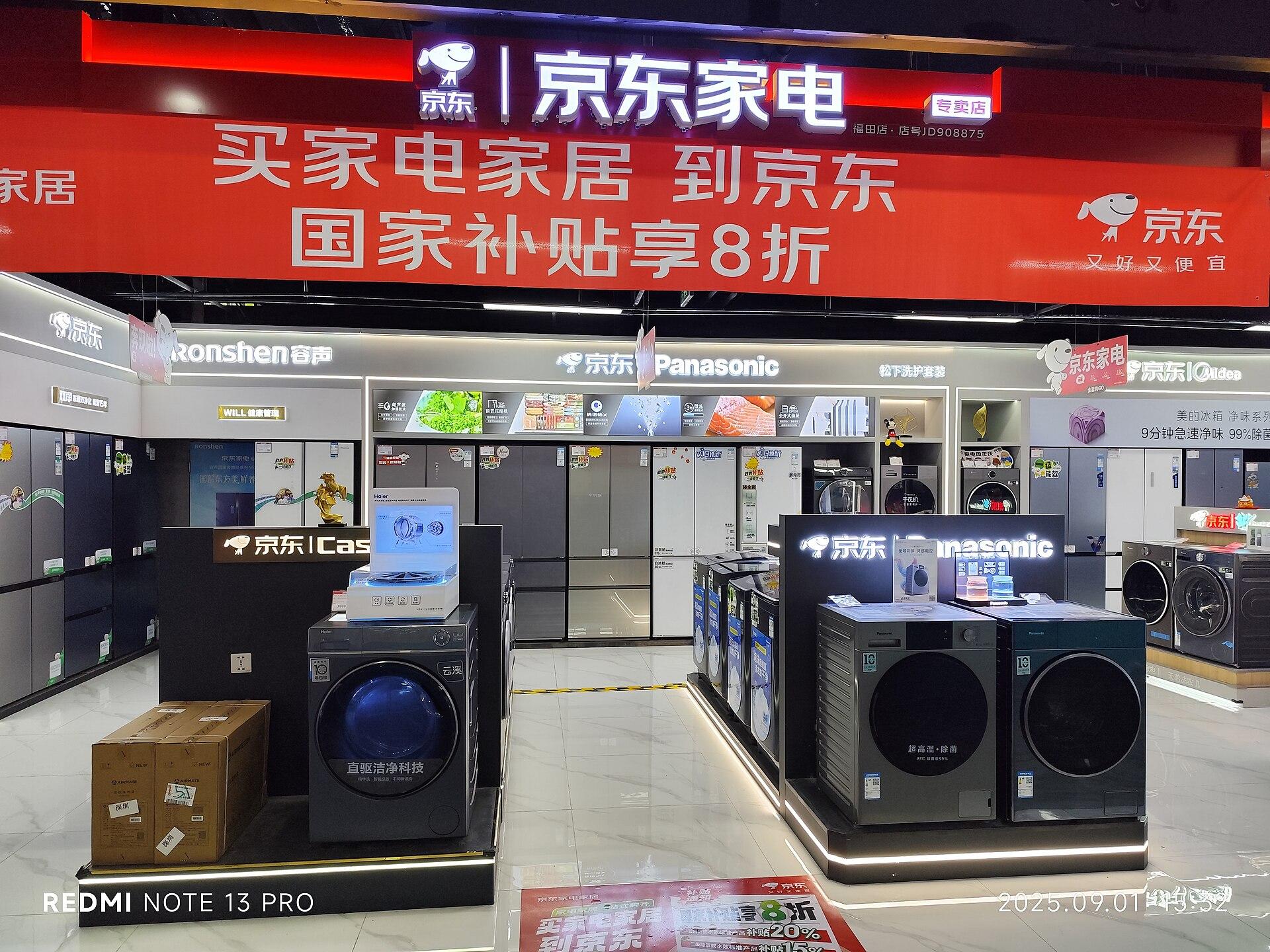
Syntun's number is now close to the only one there is. Alibaba's Taobao and Tmall and JD.com no longer publish a headline gross merchandise value for the festival, Reuters notes, and highlight selected categories, brands and user counts instead. When the organisers of an event stop announcing its size, the size is no longer the point they want to make.
A season, not a night
The slowdown is partly structural. Singles' Day began as a single day and is now a five-week promotional calendar with different start dates on each platform. "When a sales event is spread over several weeks, the sense that 'I have to grab deals tonight' fades," Beijing technology analyst Liu Xingliang told Reuters. The backdrop does not help: Reuters cites a prolonged property downturn, weak income expectations and job insecurity, and China's retail sales grew 1.1% in the first nine months of the year.
The mechanics changed too. Tmall, JD.com and Douyin moved from cross-store deals, such as 50 yuan off every 300 spent, to direct discounts on each product, and JD.com and Douyin dropped deposit-based presales, as reported by Julienna Law in BeautyMatter. "Now the price cut is visible on the product page, and the brand pays for it," Olivier Verot of Gentlemen Marketing Agency told the publication. That is a quiet transfer of cost from platform to brand, and it will show up in brand margins long after the festival is forgotten.
What the platforms talked about instead
They talked about AI. JD.com said its shopping assistant, Dongdong, drew nearly 80 million users seeking advice for the festival, more than triple last year, and that it sold more than 50 million AI-related products, as reported by Reuters. Tmall said sales of AI tokens, the units of computing people buy to use AI models, rose more than 700% between October 15 and November 5 compared with the previous three weeks. On Douyin, chatbot links drove roughly 5% of purchases in October, according to WPIC Marketing + Technologies, and more than 20% for considered purchases such as supplements.
"This is still a very new gateway and discovery channel," WPIC chief executive Jacob Cooke told Reuters. Ben Cavender of China Market Research Group put the risk more sharply: brands can be hurt "if they are no longer showing up in product searches because the consumer is defaulting to letting an AI assistant do the 'shopping'."
That is the real story of this year's festival. When we looked at agentic commerce a year ago, the question in the West was whether retailers would let AI agents into the checkout at all. In China the super apps already own the agent, the catalogue and the payment, so the question has moved on: who gets recommended. A brand that wins the chatbot wins the shelf, and the shelf belongs to the platform.
Beauty: domestic first, science second
Beauty shows the effect clearly. Skin care took 102.9 billion yuan and fragrance and makeup 34.7 billion, growing a modest 3.8% and 3.9%, according to Syntun figures reported by BeautyMatter. In the early Tmall skin care ranking compiled by Ebrun, the top spot went to Proya, the Chinese brand whose Ruby Cream 4.0 sold more than 450,000 units in the first hour, ahead of SkinCeuticals, Lancôme, Estée Lauder and SK-II, as reported by BeautyMatter. Proya called the festival "a window to verify our achievements, not the final destination." Western prestige still competes, but it competes on clinical claims, and the local champion sets the pace.
Our verdict
A 4.8% rise in a weak economy is not a failure, and nobody should read it as one. But it confirms that Singles' Day no longer creates demand. It reshuffles it, over five weeks, towards whoever pays for the visible discount and whoever the assistant recommends. For international brands the lesson is uncomfortable: being searchable is no longer enough. Reuters itself notes that it is not yet clear how much the chatbots actually lifted sales. Next year, the platforms will want to prove it. Watch for whether they publish chatbot conversion data, because that is the number that would make brands pay for placement inside the assistant.
Sources: Reuters report on Syntun's Singles' Day estimate, via The Edge Malaysia, November 12, 2026; Reuters, "China's Singles Day shopping festival puts AI selling power to the test", via The Star, November 11, 2026; Julienna Law, "Double 11: Winners, Warnings, and What's Next", BeautyMatter, November 12, 2026.