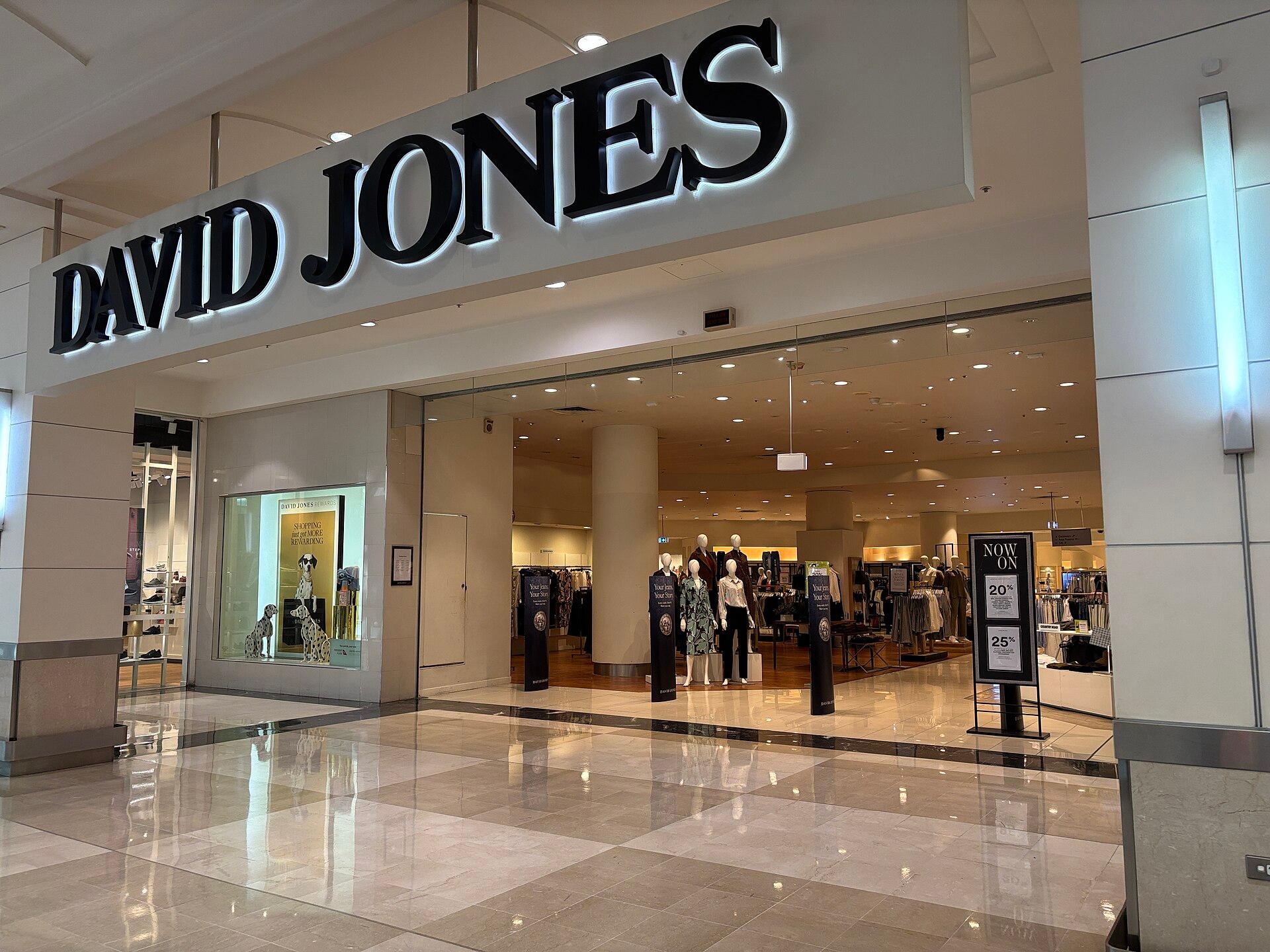
David Jones has traded in Sydney since 1838. On Tuesday, at the first meeting of its creditors, the administrators from McGrathNicol explained why it stopped being able to pay its bills. The directors gave seven reasons, as reported by the ABC: a "difficult consumer environment," "softer demand for luxury and structural change," "online growth and changing competition," "an unsustainable footprint and cost base," "continuing losses despite investment," a proposed operating model that "depended on agreements," and "supplier pressure and disruption."
Seven reasons is a list. It is not yet an explanation. Most of them apply to every department store in the world, and most department stores did not fail this month. The useful exercise is to find the one that turns the general into the particular.
The facts so far
The board placed the company into voluntary administration on November 5. Its secured lender, Hilco Capital, appointed FTI Consulting as receivers, and on November 11 the receivers announced that 19 of the chain's 38 stores in Australia and New Zealand will close by the end of the year, after trading through the holiday season, as reported by Forbes Australia and SBS. The closures include Parramatta, Macquarie Centre, Hornsby and Warringah in Sydney, Highpoint and Glen Waverley in Melbourne, and Perth's Hay Street Mall, according to Real Estate Source. "Put simply, our store portfolio is no longer the right shape for the business," chief executive Erica Berchtold told staff, as reported by Mediaweek.
The ABC reports liabilities of "nearly half a billion dollars," including $180 million owed to suppliers before any landlord claims. The Shop, Distributive and Allied Employees' Association counts 1,689 direct jobs at risk and expects at least 1,500 losses, with about 170 people offered redeployment, according to the ABC. Concession staff working for brands inside the stores are not in that number. The company stopped paying rent at the end of September, Broadsheet reported, citing the Australian Financial Review.
The reason that explains the rest
Number four: "an unsustainable footprint and cost base." Look at how that footprint was built. South Africa's Woolworths Holdings bought David Jones in 2014 for about A$2.1 billion. In 2020 the Castlereagh Street store in Sydney was sold to Charter Hall for A$510 million and leased back for 20 years. In 2023 Anchorage Capital Partners bought the business for around A$100 million. In late 2024 the Bourke Street Mall flagship in Melbourne was sold for A$223.5 million, also with a leaseback, as reported by Real Estate Source and Forbes Australia.
Sale and leaseback raises cash once and creates rent forever. Each deal made the balance sheet look lighter and the cost base heavier, and it did so in the years when online growth and weaker luxury demand, reasons two and three, were cutting the sales those stores had to carry. The pre-tax loss widened to A$95.5 million in the year to June 2025, from A$74.1 million, according to accounts cited by Forbes Australia. By then the owner had sold what could be sold, and what remained was a long list of leases in suburban malls. Reason six, a model that "depended on agreements," reads in this light as a plan that needed landlords to accept lower rents. Broadsheet, citing the ABC, reported that talks with Westfield broke down.
"If you don't have a unique offer, then it's a race to the bottom with price," Charles Edward Lloyd Jones, of the founding family, told AAP, as reported by SBS. He is right about the symptom. The cause sits upstream: a store that pays rent on its own building has less to spend on being unique.
Our verdict
We wrote in May that Europe's luxury department stores were shrinking on purpose, cutting floor space and leasing whole wings to brands. David Jones is what shrinking looks like when it is not on purpose: the same answer, half the stores, reached through receivers instead of a strategy. The survivors are mostly the central city flagships, which SBS reports will largely stay open. That is the right shape for a modern department store. It is a pity it took an insolvency to draw it.
McGrathNicol partner Matthew Hutton said there has been "an extraordinary level of inbound interest from a range of highly credible industry players," as reported by Forbes Australia. Any buyer will be buying a brand and 19 stores. It should not buy back the leases.
What to watch
Who bids, and whether the buyer is a retailer or a property player. The ABC also reports that the administrators were told the company had been operating under safe harbour, a protection for directors attempting a restructure, without being told from when. That date will matter to creditors, suppliers among them, and to anyone holding a David Jones gift card.
Sources: Adelaide Miller, Yiying Li and Liana Walker, "David Jones administrators give seven reasons for retailer's collapse", ABC News, November 17, 2026; Daniel Van Boom, "David Jones to close 19 stores by the end of the year", Forbes Australia, November 11, 2026; AAP, "'A race to the bottom': The 19 David Jones stores set to close", SBS News, November 11, 2026; Marc Pallisco, "Shrink or sink: David Jones sheds half its stores", Real Estate Source, November 11, 2026; Nama Winston, "David Jones's receiver will close 19 stores, mass job losses to follow", Mediaweek, November 11, 2026; Lucy Bell Bird, "David Jones Enters Administration With Closures Expected Before Christmas", Broadsheet, November 5, 2026.